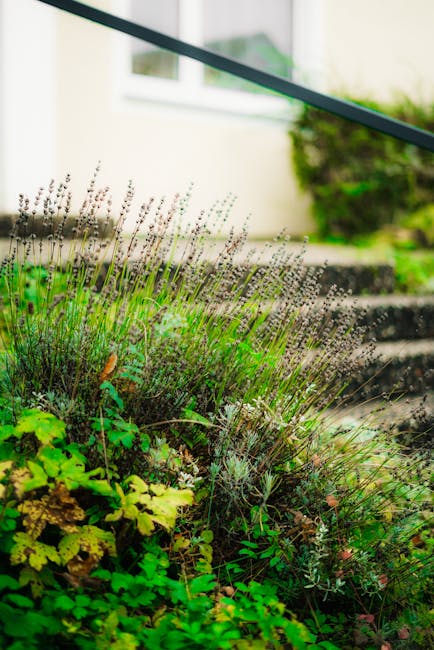
Chestnuts Park front garden upgrades with local gardeners
If your front garden is starting to feel a bit tired, cramped, or difficult to maintain, you are not alone. In Chestnuts Park, a small front space can make a big first impression, and it can also be the difference between a home that feels cared for and one that feels neglected. Well-planned Chestnuts Park front garden upgrades with local gardeners can refresh kerb appeal, solve practical problems like poor drainage or messy borders, and make day-to-day upkeep much easier. The best projects are not just pretty. They are built for the way you actually live, the weather you get, and the amount of time you want to spend looking after them.
In this guide, we will walk through how front garden improvements work, what tends to deliver the most value, where people go wrong, and how to brief local gardeners so the final result feels thoughtful rather than overdone. A front garden can be modest and still look excellent. Truth be told, some of the nicest ones are the simple, tidy, well-structured ones that quietly do their job every single day.
Table of Contents
- Why Chestnuts Park front garden upgrades with local gardeners matters
- How Chestnuts Park front garden upgrades with local gardeners works
- Key benefits and practical advantages
- Who this is for and when it makes sense
- Step-by-step guidance
- Expert tips for better results
- Common mistakes to avoid
- Tools, resources and recommendations
- Law, compliance, standards, or best practice
- Options, methods, or comparison table
- Case study or real-world example
- Practical checklist
- Conclusion
- Frequently asked questions
Why Chestnuts Park front garden upgrades with local gardeners Matters
A front garden does several jobs at once. It frames the property, affects how safe and welcoming the entrance feels, and sets the tone before anyone even reaches the door. In Chestnuts Park, where homes often sit close to pavements, railings, and passing foot traffic, the front space needs to balance appearance with privacy, durability, and ease of maintenance.
That balance is exactly why local gardeners are useful. They tend to understand the small, practical details that make a front garden work in a real London setting: narrow plots, shady corners, wind exposure, compact driveways, awkward soil, and planting that has to survive more than one season without constant intervention. They also know how to keep improvements proportionate. A front garden does not need to become a full landscape project to look transformed.
There is also a financial angle, even if you are not thinking about resale. A smart front garden upgrade can reduce the amount of weeding, trimming, and patch-fixing you do through the year. Fewer loose edges, less bare soil, and better planting structure usually mean less stress. And yes, that matters. Nobody wants to spend Saturday morning fighting nettles near the gate while the kettle goes cold inside.
If you are starting from a blank-ish slate, a useful first read is where to start on your journey to a revamped garden, which is a sensible companion piece when the whole front area feels a bit overwhelming.
How Chestnuts Park front garden upgrades with local gardeners Works
Good front garden upgrades usually follow a fairly clear process. The exact order can shift depending on the site, but the logic is similar: assess, simplify, build structure, then plant and finish. Local gardeners tend to begin with a walk-through of the front space and the entrance route. They look at what is working, what is getting in the way, and what will probably become a maintenance headache if it is left as is.
A typical upgrade might include removing overgrown shrubs, reshaping beds, improving the soil, defining edges, introducing evergreen structure, and choosing plants that stay neat rather than sprawling everywhere. If there is a hedge that needs regular tidying, you may want to pair the upgrade with hedge trimming services or a longer-term maintenance plan such as garden maintenance. That keeps the design looking sharp after the initial work is done.
Front gardens are also often about solving one or two visible problems. Maybe the border is full of weeds. Maybe the path edge has sunk. Maybe the whole space is flat and uninviting. Sometimes the answer is planting; sometimes it is pruning, edging, or even a small hard-landscape change. A sensible gardener will not push a one-size-fits-all answer. They will usually suggest the minimum intervention needed to make the biggest difference. That sounds simple, but it is often where the best results come from.
For homes with trees or roots affecting the frontage, it can help to explore specialist support such as tree surgery. And if the boundaries are part of the problem, perhaps because of visibility, privacy, or safety, a practical boundary solution may involve fencing as part of the wider plan.
Key Benefits and Practical Advantages
The most obvious benefit is visual. A tidy front garden makes a house feel cared for, and that feeling carries weight. But the real value goes a little deeper than looks.
- Better kerb appeal: The entrance feels more intentional and welcoming.
- Less routine maintenance: Structured planting and clean edges are easier to keep on top of.
- Improved usability: A front garden can become a clearer, more functional part of the property rather than dead space.
- Stronger seasonal interest: With the right plants, the space looks good in winter as well as summer.
- More privacy and comfort: Low hedges, layered planting, or screening can soften street exposure.
- Safer movement: Clear paths and well-chosen surfaces reduce clutter near entrances.
There is also a quieter benefit: you start feeling better about the property every time you come home. That sounds a bit sentimental, maybe, but it is true. A neat front border and a healthy plant layout give the whole place a calmer edge. And if you have ever walked past a home with a beautiful, tidy entrance after dark, you know the effect I mean. It just feels settled.
For ideas on low-effort planting and less demanding layouts, budget-smart low-effort garden innovations can be a helpful reference, especially if you want impact without a giant upkeep burden.
Who This Is For and When It Makes Sense
Front garden upgrades are not only for people planning to sell. They make sense in many everyday situations:
- You have just moved in and the front looks unfinished or messy.
- The current planting is too big, too sparse, or simply not suited to the space.
- You want better privacy without making the entrance feel closed off.
- The area collects weeds, moss, or debris far too quickly.
- You need a front garden that works better with children, pets, or frequent visitors.
- There is a real desire to improve the appearance, but not the time to become a full-time gardener.
They are also a strong fit if the frontage is small. Small spaces benefit a lot from structure because every inch matters. A local gardener can help you avoid the common mistake of cramming in too many plant varieties. More plants does not always mean more beauty. Sometimes it means more hassle and a front garden that looks busy in the wrong way.
If you live with a dog or regularly have a dog pass through the front area, it is worth thinking about resilient plant choices and layout. A good starting point for practical planning is gardening with dog companions, because the front of the house has a habit of becoming a shortcut, a waiting zone, and a muddy paw-print trap all at once.
Step-by-Step Guidance
1. Start with the entrance, not the plants
The first job is to understand how people actually move through the space. Where do they step? Where do bins, bikes, or parcels end up? Where does the rain pool? Once you know the traffic pattern, the design starts to make sense. This is where many upgrades succeed or fail, so it is worth taking your time.
2. Clear out what no longer serves the space
Overgrown shrubs, weak containers, tired mulch, and patchy weeds can make even a decent garden feel old and cluttered. Removing the wrong elements often opens up more design possibility than adding new ones. A good local gardener will often simplify before they beautify. That order matters.
3. Sort the structure
Edges, borders, pathways, and boundaries need to be clean and logical. It does not have to be dramatic. Even a crisp border line or a refreshed path edge can make a front garden look far more polished. If the area is very exposed, think about wind protection and sturdier planting. A helpful companion topic is reinforcing your garden against wind challenges.
4. Improve the soil before planting
Soil is often the hidden issue. If it is compacted, dry, or depleted, plants struggle and the whole area starts looking tired again. Adding compost or other organic matter can make a big difference. There is a practical piece on converting waste into nutrient-enriched soil that fits nicely here.
5. Choose a planting theme
Instead of mixing everything, decide on a simple theme: evergreen structure, pollinator-friendly planting, low-maintenance shade plants, or a tidy modern look with restrained colours. Themes make small spaces feel calm. Too many themes, and the whole thing becomes a jumble. Which is exactly what you were trying to avoid.
6. Finish with details
Mulch, edging, pots, lighting, and a good clean-up make the difference between "newly planted" and "finished." Some homeowners skip the finishing stage and then wonder why the space still feels incomplete. It is usually the details.
Expert Tips for Better Results
From a practical point of view, the best front garden upgrades usually follow a few simple rules.
Keep the plant palette small. Repeating the same two or three plant types often looks more elegant than packing in lots of different species. The eye likes rhythm. So do local gardeners, frankly.
Use evergreen structure. Front gardens need to look presentable in January as well as June. Evergreen shrubs, clipped forms, and reliable ground cover help keep the area from looking bare in winter.
Choose plants that behave. Front gardens rarely have the luxury of wide borders or constant attention. Avoid species that quickly outgrow the space unless you are happy to prune them regularly.
Think vertically where needed. If space is tight, climbing plants or trained growth can soften walls and fences without stealing ground area. You can see the approach in the beauty of climbers and vertical gardening secrets.
Use ground cover properly. Ground cover reduces bare soil, helps suppress weeds, and creates a softer finish around paths and borders. If you want plant ideas, the articles on ground cover plants for UK gardens and excellent ground covers are useful starting points.
Leave room for maintenance access. A front garden that looks lovely but is impossible to prune from the path side is a trap. A very pretty trap, but still a trap.
Common Mistakes to Avoid
Front garden projects often go wrong in predictable ways. The good news is that most of them are avoidable.
- Overplanting: Filling every gap can make the space feel smaller and harder to maintain.
- Choosing thirsty or fussy plants: Great for a show garden, not always great for a front entrance.
- Ignoring light levels: Shade and full sun are not interchangeable, however much we might wish they were.
- Forgetting the path and access route: A beautiful border is not much use if it blocks bins, deliveries, or the front step.
- Skipping soil preparation: Poor soil often undermines good planting.
- Using too many materials: Mix enough textures to add interest, but not so many that the garden loses coherence.
- Leaving the finish incomplete: Untidy edges and leftover waste can spoil the whole upgrade.
Another mistake is trying to do everything in one go. To be fair, it is tempting. You get excited, the garden looks like a mess, and suddenly the plan is to rip out half the frontage by tea time. But staged improvements usually produce better results and fewer regrets.
If weeds are a recurring issue, it is worth looking at game-changing weed control practices before they become the constant background noise of the whole project.
Tools, Resources and Recommendations
Local gardeners usually arrive with the right equipment for cutting back, edging, digging, reshaping, and cleaning up. Still, it helps to know what tends to matter in a front garden project.
- Hand tools: Spades, trowels, secateurs, loppers, and edging tools.
- Soil improvement materials: Compost, mulch, and appropriate feed for the planting scheme.
- Support items: Stakes, ties, or trellis if climbers or taller shrubs need guidance.
- Surface-cleaning equipment: Useful if the project includes paths, paving, or entry steps.
- Planning notes or photos: Very underrated. A few reference images can save a lot of back-and-forth.
For homeowners who like the idea of low-maintenance structure, privacy-enhancing hedges can be useful inspiration, and artistic hedge trimming shapes shows how even simple hedging can add personality without going over the top.
If the front area includes a patio or paved section near the doorway, a clean hard surface helps the whole design read as intentional. A service like patio cleaning may be useful when grime, algae, or staining is making the entrance look older than it is.
Law, Compliance, Standards, or Best Practice
For front garden upgrades, the main compliance concerns are usually practical rather than complicated, but they still deserve attention. In London, front gardens can affect access, visibility, and the way water drains away from the property. If a design change involves removing hard surfaces, adding new paths, or altering levels, it is sensible to check whether drainage or boundary issues need to be considered before work starts.
Where trees, hedges, or boundary features are shared or close to neighbouring properties, best practice is to plan carefully and communicate early. If work involves pruning near shared edges, it helps to be respectful about timing and scale. The same goes for waste removal and access across driveways or front paths. A tidy, courteous job avoids unnecessary friction. That is not a legal slogan, just common sense.
Health and safety also matters. Tools, lifting, slippery paths, and compact front spaces can all create risks if handled casually. A reputable gardener should work in line with clear safety procedures, and it is reasonable for homeowners to ask about that. You can review the site's health and safety policy and insurance and safety information if you want to understand the standard expected before work begins.
For broader terms and expectations around bookings, payments, and service delivery, the pages on terms and conditions, payment and security, and pricing and quotes are worth checking. If you want to know more about the team background, about us is the natural place to start.
Options, Methods, or Comparison Table
Not every front garden needs the same approach. Here is a simple comparison to help you choose the right kind of upgrade.
| Approach | Best for | What it usually includes | Maintenance level |
|---|---|---|---|
| Light refresh | Tidy homes that mainly need a visual lift | Weeding, edging, pruning, fresh mulch, a few new plants | Low |
| Planting-led upgrade | Front gardens that lack structure or seasonal interest | New borders, evergreen shrubs, ground cover, climbers, containers | Low to medium |
| Structural makeover | Spaces with access problems, poor boundaries, or awkward layout | Path adjustments, fencing, hedge shaping, layout changes, soil improvement | Medium |
| Full redesign | Frontages that feel unusable or badly dated | Design planning, planting scheme, hard surfaces, boundaries, drainage attention | Varies |
If you are unsure where you sit, start with the lightest intervention that solves the main issue. You can always build from there. In practice, that often gives the cleanest result, especially on smaller Chestnuts Park front gardens.
Case Study or Real-World Example
Consider a typical front garden with a narrow path, a tired boxy shrub near the window, patchy weed growth along the edge, and a couple of containers that have seen better days. Nothing dramatic, just a space that has slowly drifted into "we will sort that later" territory. The homeowner wants it to look better but does not want a formal showpiece.
A local gardener might suggest removing the overlarge shrub, reshaping the bed, and replacing it with a simpler evergreen structure plus low, reliable planting around the base. The path edge could be recut so it looks sharper. A small climbing plant could soften the wall or boundary. The soil could be improved before planting, and mulch added to keep moisture in and weeds down. One or two smart containers near the door would finish the scene without crowding it.
The result is usually more than a cosmetic fix. The entrance becomes easier to walk through, easier to maintain, and more pleasant to come home to. That is the real point. Not perfection. Just a front garden that feels like it belongs to the house again.
On projects like this, gardeners often draw on broader ideas from revamping a garden and low-fuss ideas from budget-smart garden innovations, because not every upgrade needs to be expensive to be effective.
Practical Checklist
Before you book work or start sketching ideas, run through this simple checklist.
- Measure the front garden and note any narrow access points.
- Identify sun, shade, and wind exposure across the day.
- Decide whether the goal is tidier, greener, more private, or lower maintenance.
- List any problem areas: weeds, poor soil, awkward shrubs, drainage, or worn surfaces.
- Choose one clear style direction instead of several competing ones.
- Check whether any hedges, trees, or boundaries need specialist attention.
- Think about how much upkeep you are realistically willing to do.
- Ask for a plan that includes both the upgrade and the aftercare.
- Keep a small budget aside for finishing touches.
- Make sure the project still leaves clear access to the door, bins, and path.
If you want the result to last, aftercare matters. This is where garden maintenance and occasional seasonal tidy-ups make a real difference. A front garden can look lovely in week one and exhausted by month three if nobody keeps an eye on it. It happens more than people think.
Conclusion
Chestnuts Park front garden upgrades with local gardeners are at their best when they solve real problems and make the entrance feel calm, tidy, and easy to live with. The strongest designs are usually not the busiest ones. They are the ones that suit the property, respect the light and space available, and keep maintenance at a sensible level. That is what gives them staying power.
If you are weighing up whether to improve a small frontage, the answer is often yes, but in the right way. Start with the issues that annoy you most, choose practical planting, and work with someone who understands local conditions rather than treating the garden like a blank showroom. A good front garden should feel natural, not forced. And if it makes you smile when you unlock the door on a damp Tuesday afternoon, well, that is a solid win.
Get a free quote today and see how much you can save.
When you are ready to take the next step, a short conversation with a local gardener can turn vague ideas into something grounded, affordable, and genuinely attractive. Sometimes that is all a front garden needs. A bit of care. A bit of judgement. And then it breathes again.
Frequently Asked Questions
What are the best front garden upgrades for a small Chestnuts Park property?
For small front gardens, the most effective upgrades are usually simple structure, evergreen planting, clean edging, and one or two focal points. Compact spaces benefit from restraint.
Do I need a full redesign, or can local gardeners improve what is already there?
Most of the time, you do not need a full redesign. A skilled gardener can often improve the existing layout by reshaping beds, refreshing planting, and fixing the parts that make the space look tired.
How do local gardeners decide what plants to use?
They usually look at light, soil, wind, size, and the amount of maintenance you want. In a front garden, reliability matters more than novelty.
Are front garden upgrades good for low maintenance living?
Yes. In fact, that is one of the biggest reasons people do them. A better layout, mulch, and appropriate planting can reduce weeding and general upkeep quite a lot.
Can front garden upgrades improve privacy without making the house look closed off?
They can. Low hedges, layered planting, and carefully placed climbers or boundary features can soften views from the street without creating a blocked-in feel.
What should I ask a local gardener before starting the work?
Ask about the plan, plant choices, aftercare, timing, and what is included in the price. It is also sensible to ask how they handle safety, waste, and any tricky access issues.
How long does a typical front garden upgrade take?
That depends on the scale of the work. A refresh can be completed quickly, while a more involved redesign with planting and layout changes takes longer. Good planning shortens delays.
Will a front garden upgrade help with kerb appeal?
Yes, very often. Even modest improvements can make a property look more cared for and more inviting from the street.
Do I need specialist help if there are trees or big hedges near the front garden?
Possibly. If trees are affecting light, roots, or the shape of the space, specialist support may be useful. Large hedges can also need proper shaping to avoid looking bulky or overgrown.
What happens if my front garden has bad soil?
Bad soil is common and usually fixable. Local gardeners can improve it with organic matter, soil conditioning, and plant choices that match the site rather than fighting it.
How can I keep the front garden looking good after the upgrade?
The key is light but regular maintenance. Small seasonal tidies, trimming, weed control, and occasional re-mulching keep the design looking fresh without a huge amount of effort.
Where should I start if my front garden feels completely overgrown?
Start by clearing the worst of the clutter, identifying the entrance route, and deciding what you want the space to do. If the whole thing feels too much, begin with a simple plan and build from there.