Recycling and Sustainability for Gardeners Seven Sisters
 At Gardeners Seven Sisters, sustainability is built into the way we work every day. Our approach to garden waste recycling, responsible material handling, and low-emission transport is designed to support greener outdoor spaces while reducing the environmental impact of routine garden maintenance. From leafy cuttings to woody prunings, we aim to keep as much organic material as possible in productive reuse streams, rather than sending it to landfill.
We are committed to a recycling percentage target that keeps our operations accountable and continually improving. Our current goal is to recycle or repurpose at least 95% of suitable green waste generated through gardening work, with only unavoidable residues directed to the correct disposal route. That includes compostable garden debris, soil overspill, and recyclable packaging from supplies used on site. By setting a clear target, we can measure progress and keep our Gardeners Seven Sisters recycling policy practical, transparent, and ambitious.
 A big part of this effort depends on local facilities. We make regular use of local transfer stations and approved waste-processing points in and around the boroughs we serve, helping ensure that garden materials are sorted and directed properly. In a part of London where boroughs often take different approaches to waste separation, careful sorting matters. Green waste, general waste, and recyclable materials are kept apart wherever possible, supporting better recovery rates and reducing contamination in recycling streams.
 The sustainability of our service also comes from the choices we make before waste even leaves a property. Organic clippings, hedge trimmings, and branches are separated on-site so that composting and chipping can be prioritised. This kind of garden waste recycling in Seven Sisters helps turn routine maintenance into a circular process. Where appropriate, mulch and chipped wood can be reused in planting beds, helping retain moisture and improve soil health without relying on new materials.
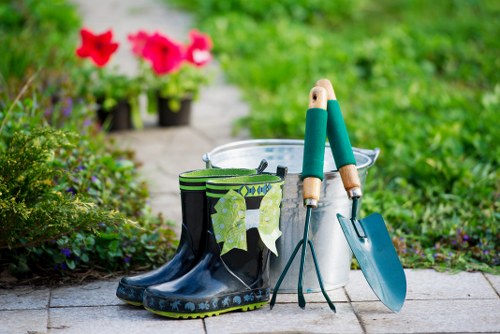
We also support the community through partnerships with charities and reuse organisations. Usable pots, tools, planters, and garden furniture may be passed on through charity partnerships when they are still in good condition, extending the life of items that might otherwise be discarded. These collaborations help local groups benefit from surplus materials while reinforcing a more responsible model of sustainable gardening. It is a simple idea with a meaningful effect: if something can be reused, it should be reused first.
Our recycling standards extend beyond waste itself to the vehicles that carry it. We are steadily integrating low-carbon vans into our work so that journeys between gardens, transfer stations, and supply points create less emissions. This shift supports our wider low-carbon plan, especially in busy urban areas where short trips and repeated collections can quickly add up. Cleaner transport is an important part of making Gardeners Seven Sisters sustainability more than a slogan.
As part of our wider environmental approach, we also pay attention to the everyday items used in garden care. Packaging, plastic ties, plant labels, and seasonal wrapping are sorted carefully so that recyclable materials are not mixed with organic waste. Across local boroughs, household and commercial waste systems often distinguish between dry mixed recycling, food waste, and garden waste; our processes mirror that logic as closely as possible on-site. This reduces cross-contamination and makes the handover to approved facilities more efficient.
We also encourage responsible handling of soil and compost materials. Clean soil can sometimes be screened and reused, while old compost may be incorporated into non-sensitive landscaping or directed through suitable recovery channels. Likewise, timber offcuts and untreated wood may be chipped for reuse where conditions allow. These practical steps are central to our Seven Sisters garden recycling approach, combining environmental care with everyday efficiency.
 Sustainability is not only about disposal; it is about choosing the right process at the right time. In beds and borders, for example, we favour methods that reduce waste from the start, such as selective pruning, careful planting design, and efficient materials use. The result is less excess to remove and more value retained in the landscape itself. For customers and communities in the area, that means a cleaner, greener service shaped by real-world recycling practice.
Gardeners Seven Sisters continues to refine its environmental performance through training, sorting discipline, and better route planning. These efforts help support a local garden service that respects both the neighbourhood and the wider environment. Whether it is a routine tidy-up or a larger seasonal clearance, our aim is to keep resources in circulation for as long as possible and to minimise landfill wherever we can.
 The future of recycling for Gardeners Seven Sisters will continue to focus on measurable targets, smarter logistics, and stronger local partnerships. With low-carbon vans, transfer-station use, charity donations, and careful waste separation, we are building a service that aligns practical garden care with responsible environmental action. For us, sustainability means making every collection count and every reusable material find its best possible next use.